


Managing, storing, and processing large amounts of data is much more convenient and accessible with the cloud. Unsurprisingly, almost 98% and over 90% of enterprises use cloud services in the U.S. and the UK, respectively.
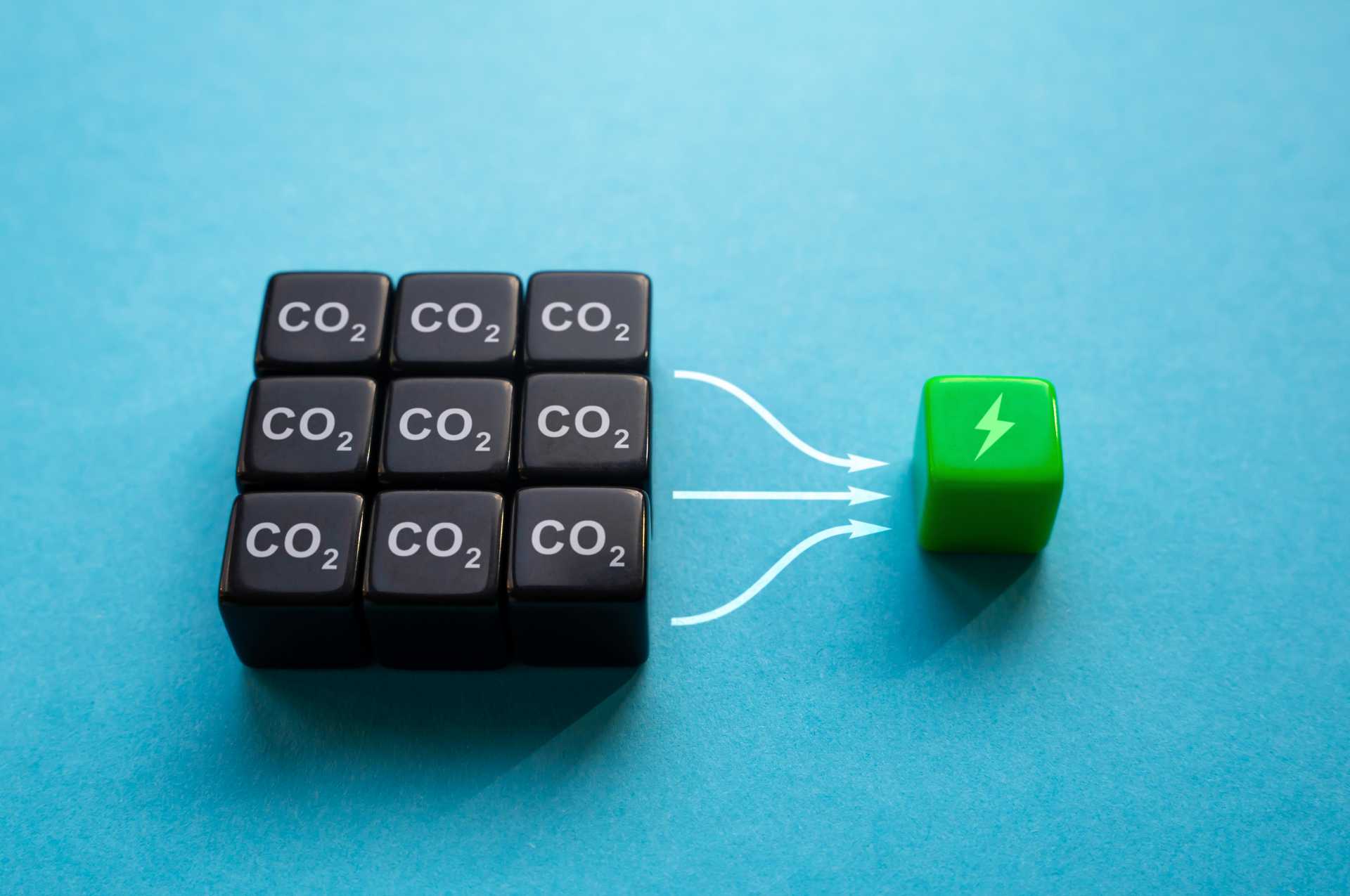
But as more and more organisations are adopting cloud computing, we shouldn’t overlook the environmental impact. While moving to the cloud lowers the use of a business’s physical resources, information on the cloud is stored in enormous physical data centres, which need massive amounts of energy and water to function.
The environmental impact of cloud computing is concerning, leading the industry to look for ways to build cloud sustainability through green cloud computing and reduce the carbon footprint of cloud servers.
So, how do organisations know if they’re choosing a carbon-conscious cloud storage solution? Here’s a guide to understanding green server hosting and how to choose the right green hosting provider for your business.
Understanding the Carbon Footprint of Cloud Hosting
Cloud servers need a staggering amount of energy to operate.
Because the cloud needs to operate day and night, it uses huge amounts of electricity, typically sourced from burning fossil fuels (leading to carbon emissions). Cloud servers also need to circulate water to cool the computers running at all hours to prevent them from overheating. This continued usage, especially in resource-limited locations, can cause damage to the environment and wildlife.
Thankfully, the cloud industry is responding to the backlash caused by news of its massive carbon footprint. While cloud service providers can do little to address the growing rate of cloud adoption, they are stepping up their responsibility when it comes to lowering carbon emissions from running cloud architecture.
What is Green Hosting?
Green hosting, or green server hosting, is an eco-friendly way to power your IT infrastructure using sustainable practices. Instead of conventional non-renewable sources such as oil and gas, green hosting providers use renewable energy sources such as solar, wind, or hydroelectricity to power servers.
Providers may also offset emissions from hosting servers by planting more trees and employing proper waste management practices.
How to Choose a Green Hosting Provider?
If your business is looking to reduce its carbon footprint and environmental impact, moving to a green hosting provider is a great strategic move. Here’s how you can tell if your cloud hosting provider is adopting sustainable practices:
Key Metrics
Three key metrics determine your cloud hosting provider’s sustainability.
Power Usage Effectiveness (PUE)
PUE is the ratio of total energy consumed by the data centre to the energy consumed by the IT equipment alone. The most eco-conscious data centres aim for a rating as low as 1.0. This means that the energy centre is perfectly energy efficient, meaning all power is used solely by the IT equipment.
Carbon Usage Effectiveness (CUE)
CUE states the carbon dioxide emissions per unit of energy consumed by your data centre. The lower the CUE, the better.
Renewable Energy Certificates (RECs)
RECs act as proof that one megawatt-hour (MWh) of electricity was generated from a renewable energy source and supplied to the grid.
Certifications and Standards
The three important certifications and standards in cloud sustainability include:
Leadership in Energy and Environmental Design (LEED)
LEED is a globally acknowledged green building system. LEED-certified data centres are more energy efficient, save more water, and have reduced CO2 emissions.
ISO 50001
This ISO certification provides organisations with a framework to manage and improve energy performance. Data centres following ISO 50001 are fully committed to energy-efficient practices.
ISO 14068
The ISO 14068 standard promotes genuine carbon neutrality and helps customers trust and verify carbon-neutral hosting claims.
Sustainable Data Centre Design
Innovations in cooling technology and the use of renewable energy sources help data centres move towards a more sustainable cloud design and boost their energy efficiency. These include:
Immersion Cooling
Immersion cooling is a new method of cooling servers by submerging them in thermally conductive liquids. This method is capable of drastically reducing energy consumption compared to air cooling.
Some service providers are also using free cooling systems that use the outside air and water sources for cooling computers.
Renewable Energy Sources and PPAs
Green hosting providers rely on renewable energy sources to reduce their dependence on fossil fuels. They may be colocated with renewable energy plants to directly source clean power for operations.
Power Purchase Agreements (PPAs) are essential for this. Through PPAs, firms commit to buy a specific amount of renewable energy over a long-term period. Making this commitment stabilises their energy costs and guarantees a steady supply of green energy to power servers.
AI in Cloud Sustainability
AI is playing a significant role in using predictive analytics to efficiently allocate resources and cooling systems, and optimise energy consumption in data centres.
AI-powered cooling systems use real-time data and predictive analytics to manage temperature levels. This can potentially minimise energy waste and reduce the amount of electricity used for cooling by 25%.
BlackBox Hosting’s Approach to Cloud Sustainability
The key to choosing a green hosting provider is evaluating their sustainability commitments and certifications, transparency in reporting, and active investment in renewable energy efficiency.
As your green hosting provider, we’re committed to carbon neutrality with our 100% carbon-neutral virtual private servers. We’re a top choice for environmentally conscious businesses as we do everything we can to go the extra mile for our customers and our planet.
We have:
- Completed a comprehensive external audit of greenhouse gas (GHG) emissions,
- Purchased verified carbon offsets to match our emissions and achieve carbon neutrality,
- Secured an ISO 14068 certification and have also passed a third-party audit from the British Standards Institution (BSI),
To bring you:
- 100% certified carbon-neutral virtual private servers
- UK-based, green-certified data centres
- VMware Zero Carbon Commitment
- Verified emissions reporting and offsetting
- Peace of mind that our digital footprint is truly sustainable
At BlackBox Hosting, we believe that cloud sustainability isn’t a buzzword. We have dedicated, long-term solutions in place to power our clients’ businesses with green private cloud, carbon-neutral, fully managed VPS services.
Call us on +44(0)203 740 7840 or contact us and let’s discuss your business’s cloud sustainability needs.