


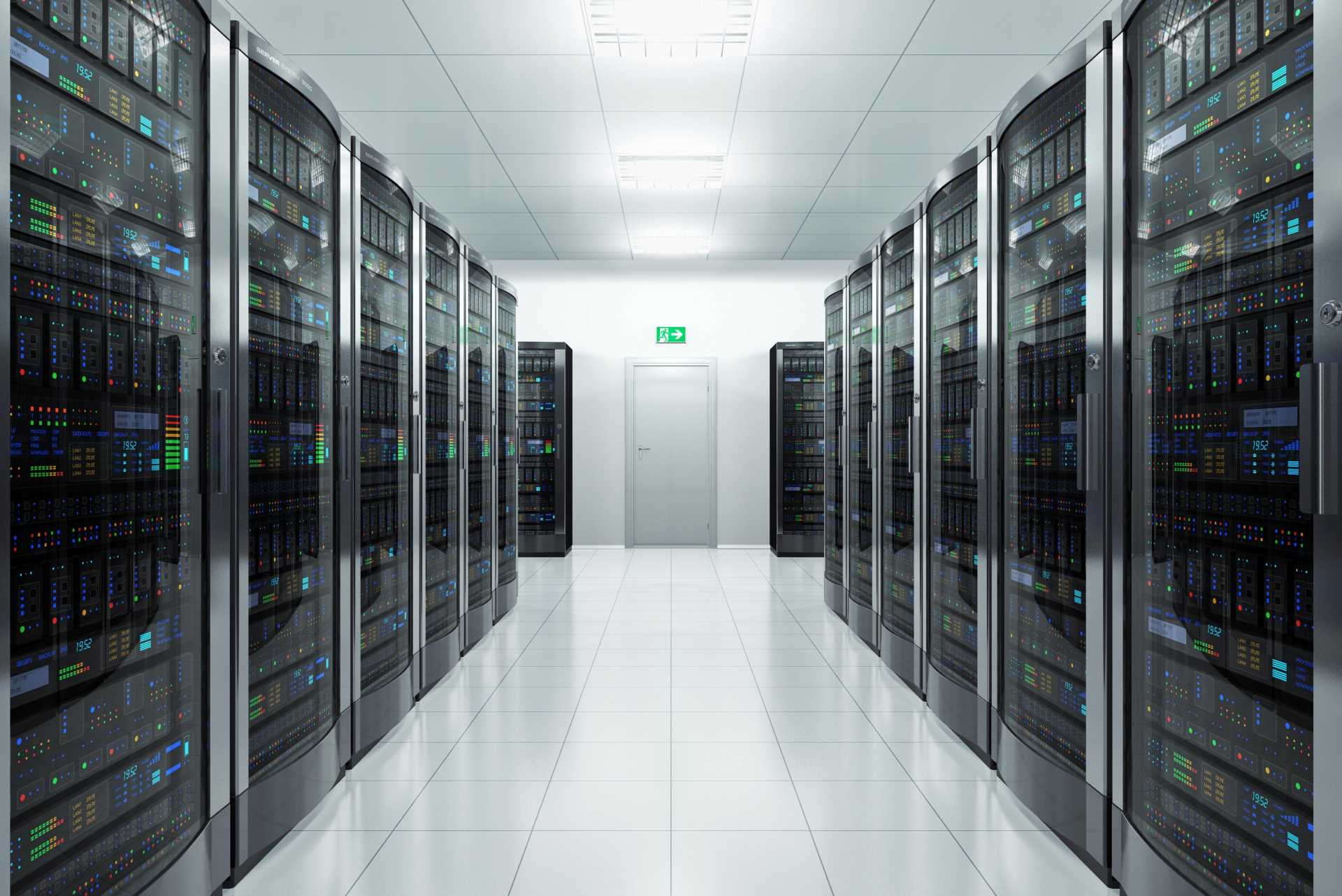
Bare metal hosting refers to using a single physical server or a single dedicated server, providing complete access to all its hardware resources to a single tenant, whether that be a website or platform. Also known as single-tenant physical servers or managed dedicated servers, bare metal servers are designed to offer direct access to the underlying hardware, without any virtualisation. This lack of overhead from a hypervisor translates to dedicated performance, control, and reliability, but unfortunately, not all providers live up to that promise.
A growing number of low-cost options on the market offer what some in the industry are calling “crap metal”, which are essentially servers built with outdated components, unmonitored hardware, and zero real support.
This blog explores the risks to your business associated with these bare-minimum, cheap bare metal server hosting offers and what to look out for when choosing a bare metal provider.
What is “Crap Metal”?
“Crap metal” is a slang IT term, referring to bare metal servers that look attractive on paper, but are fundamentally flawed due to low-grade or neglected infrastructure.
These systems are typically built from:
- Old-generation CPUs (e.g. Xeon E3/E5 v2 or v3)
- Slow DDR3 or early DDR4 memory with no ECC
- SATA SSDs or even spinning disks lacking endurance or performance
- Underpowered network links (sometimes capped at 100Mbps or 1Gbps)
- Hardware is restricted to testing, backups, or low-priority tasks only
- Unbranded or mismatched components put together
- Systems with low reliability and no vendor support
Lower monthly costs designed for restricted IT budgets are often what attract businesses to these cheap bare metal server hosting options. However, these compromises can create serious operational risks for your business.
The Problems with “Crap Metal” or Cheap Bare Metal Server Hosting
Here are the many common problems that plague low-cost, bare-metal servers:
Unreliable Storage
One of the most common issues with cheap bare metal server hosting is storage reliability. Many use consumer-grade SSDs not designed for 24/7 workloads. These drives often:
- Wear out quickly under constant writes
- Lack SMART monitoring or reporting
- Suffer from severe performance drops (so-called “write cliffing”)
- Fail completely without warning or monitoring
Without wear tracking or alerts, you may not even know there’s a problem until it’s too late, especially if no monitoring is provided.
Poor Performance
Old and outdated CPUs and mechanical hard drives can’t handle the demanding IT workloads. Using and relying on these underperforming servers for your operation can lead to sluggish websites, slow applications and as a result, frustrated users and clients.
Higher Failure Rates
The likelihood of failure increases as IT components age. Having ageing discs, fans, and power supplies in your server infrastructure can mean an increased risk of breakdowns, higher business downtime, data loss, RAID failure, and hardware outages.
No Scalability
A cheap bare metal provider may leave you with limited options to upgrade your CPU, RAM, and storage. This limited scalability will likely hinder your business performance and growth over time.
No Vendor Support
Working on out-of-warranty or discontinued hardware means lacking official vendor support or updates. When something fails, you don’t have the right software patches or hardware parts to help you back up.
Security Red Flags
Old and outdated hardware may not support modern encryption or BIOS/firmware protections, while increasing the likelihood of security breaches and cyberattacks. Missing microcode updates means leaving your systems exposed to vulnerabilities like Spectre or Meltdown.
Higher Long-Term Costs
You may be paying lower costs upfront, but it may be inefficient and unreliable in the long run, leading to increased power use, frequent repairs, and emergency replacement expenses.
Slow Networking and Congested Links
Budget bare metal often comes with limited network capacity:
- Capped throughput (e.g. 100 mbps or throttled 1 gbps)
- No redundancy or upstream failover
- Unprotected against DDoS or routing issues
This may not be obvious at first, but once your workload grows or relies on low-latency connections, performance degrades rapidly.
Real World Example – When RAID Didn’t Save the Data
In one real case, a customer was running RAID 1 on a server from a low-cost provider. It should have provided redundancy, but here’s what went wrong:
One SSD failed. No alerts were raised.
The server continued to operate in degraded mode for weeks.
The second SSD failed.
The provider only noticed after the server went offline.
The provider offered to reimage the system, but the data was gone.
This wasn’t a one-off case. The root issue was simple – RAID alone doesn’t protect against failure without active monitoring and a response plan.
What to Ask When Choosing a Bare Metal Provider
Before you commit to any server, especially a cheap one, ask:
- What CPU generation and model does it use?
- How fast is the memory, and is it ECC?
- Are SSDs enterprise-grade? Is wear monitored?
- What RAID failure protection is available, and how is it monitored?
- What bandwidth is provided? Is it capped or shared?
- How quickly are failed components replaced?
- Is support available when something breaks?
Transparency on these questions is often the difference between stable infrastructure and a slow-motion failure.
Bare Metal vs Private Cloud Server from BlackBox Hosting
Crap metal or cheap bare metal server hosting may look technically functional but is not ideal for production environments. It may seem like a smart choice at first until you hit a drive failure, network bottleneck, or silent performance degradation.
“Crap metal” servers may work for hobbyist projects or internal dev testing but need to be avoided for critical workloads or customer-facing applications, especially due to performance and security risks.
Instead of low-cost bare metal, consider a private cloud server from BlackBox Hosting with a secure, high-performance environment. We offer:
- A secure private cloud within your own data centre, a partner data centre, or a BlackBox Hosting facility
- Our servers are built with dedicated, modern hardware and 100% dedicated to your business
- Enjoy a private and secure network without sharing bandwidth or other resources
- Integrated VPN service for secure and encrypted access
- 24/7 monitoring of your service with proactive management and customer support
- Robust backup solutions offering both file-level and full VM backup
- 99.99% network uptime guarantee
Taking the time to evaluate the hardware and support behind your “dedicated” server is integral to avoiding costly outages and unrecoverable data loss. Choose wisely; don’t let short-term cost savings come in the way of your long-term performance, security, growth, and business continuity.
Call us on +44(0)203 740 7840 for more information on our private server hosting solutions.